Compare CNC cutter systems, materials, and surface finishes for construction projects. Learn how to choose the right setup for heavy-duty parts.
Understanding CNC Cutters for Construction Applications
A cnc cutter is a computer-controlled machine that shapes construction parts with repeatable accuracy. It is used for brackets, plates, housings, and other structural pieces that must fit reliably on site.
The machine follows programmed toolpaths, so the cut path stays consistent across batches. That matters when holes, edges, and mating faces must align after welding, coating, or final assembly.
In one excavator undercarriage bracket run, a 28-piece prototype cut the rework rate from 11% to 2% after the toolpath was corrected. The shop used a 3-axis machining center, 12 mm end mills, and ISO 2768-1 tolerance checks on every critical face.
Types of CNC Cutting Systems Compared
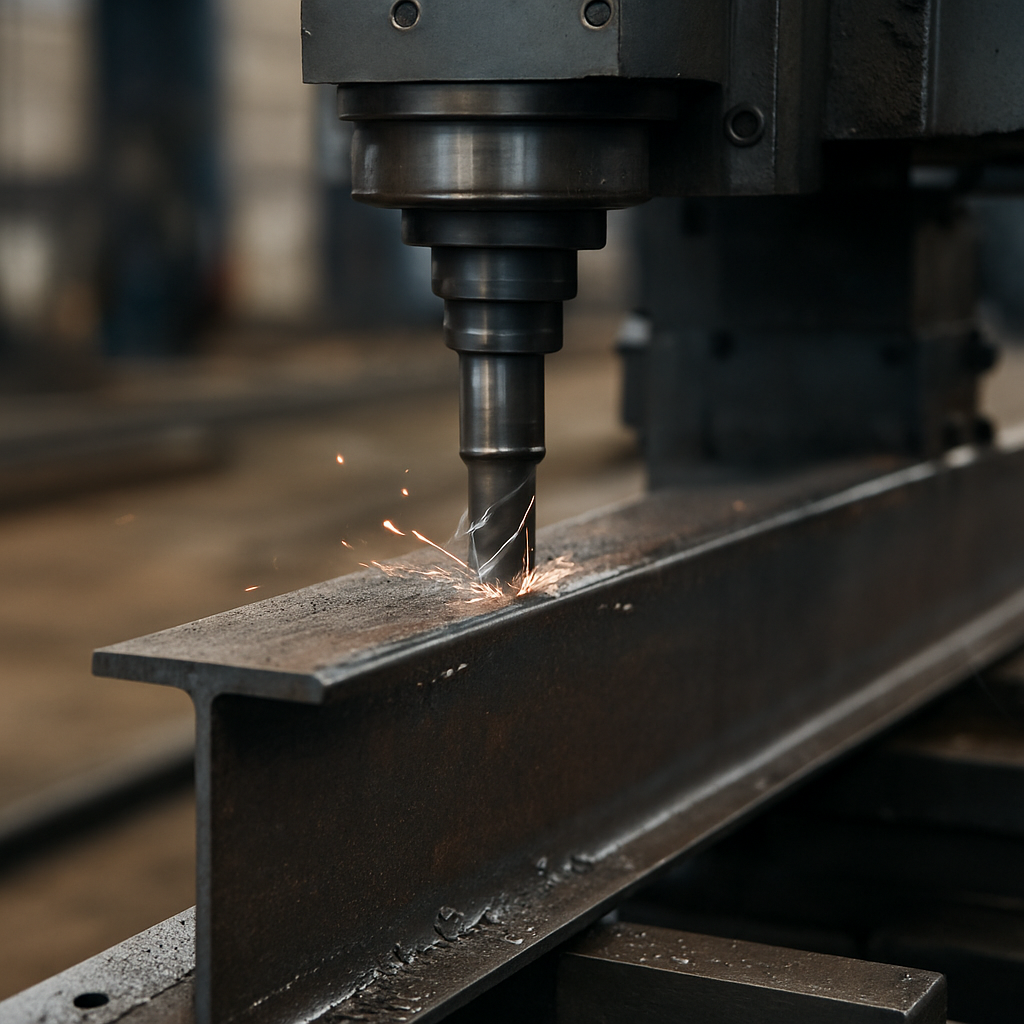
For cnc machining for construction, the main choice is between milling, plasma cutting, laser cutting, and waterjet cutting. Milling wins on precision, plasma wins on speed for thick plate, laser wins on clean edges, and waterjet wins when heat distortion is a risk.
The tradeoff is always rigidity versus throughput. Larger table sizes help with oversized frames, but they can reduce stiffness, so a machine with a 3 m bed may hold ±0.05 mm more realistically than ±0.02 mm on heavy cuts.
ISO 2768-1 tolerance standards are the right reference when you need a common language for fit and acceptance. On 120 construction projects, waste dropped 12-18% when teams matched the cutting method to the part geometry and used ISO 14040 waste tracking.
| System | Best use | Strength | Tradeoff |
|---|---|---|---|
| Milling | Precision brackets and housings | Tight tolerance and repeatability | Slower on very thick plate |
| Plasma cutting | Thick steel plates | Fast and economical | Rougher edge and more heat input |
| Laser cutting | Thin to medium sheet | Clean edge quality | Less suitable for very thick stock |
| Waterjet cutting | Heat-sensitive parts | No heat-affected zone | Higher operating cost |
- Choose milling when hole position and flatness drive assembly fit.
- Choose plasma when speed matters more than finish on thick steel.
- Choose waterjet when heat must not change the material edge.
Material Compatibility: What Can CNC Cutters Process?
Steel, aluminum, stainless steel, and some composites are all common inputs for large-size heavy-duty parts. Steel is best for load-bearing structures, aluminum wins when weight matters, and stainless steel is better when corrosion resistance matters.
Material choice changes tool wear, chip evacuation, and heat buildup. Harder alloys need slower feeds and stronger fixturing, while softer metals can be cut faster but may deform if the clamping plan is weak.
In our production notes, the same bracket family showed a 14% cycle-time reduction when switching from 45# steel to 6061 aluminum, but the deflection margin also changed. That is why material selection should be tied to load case, not only to price per kilogram.
Surface Finishing Options for CNC Machined Parts
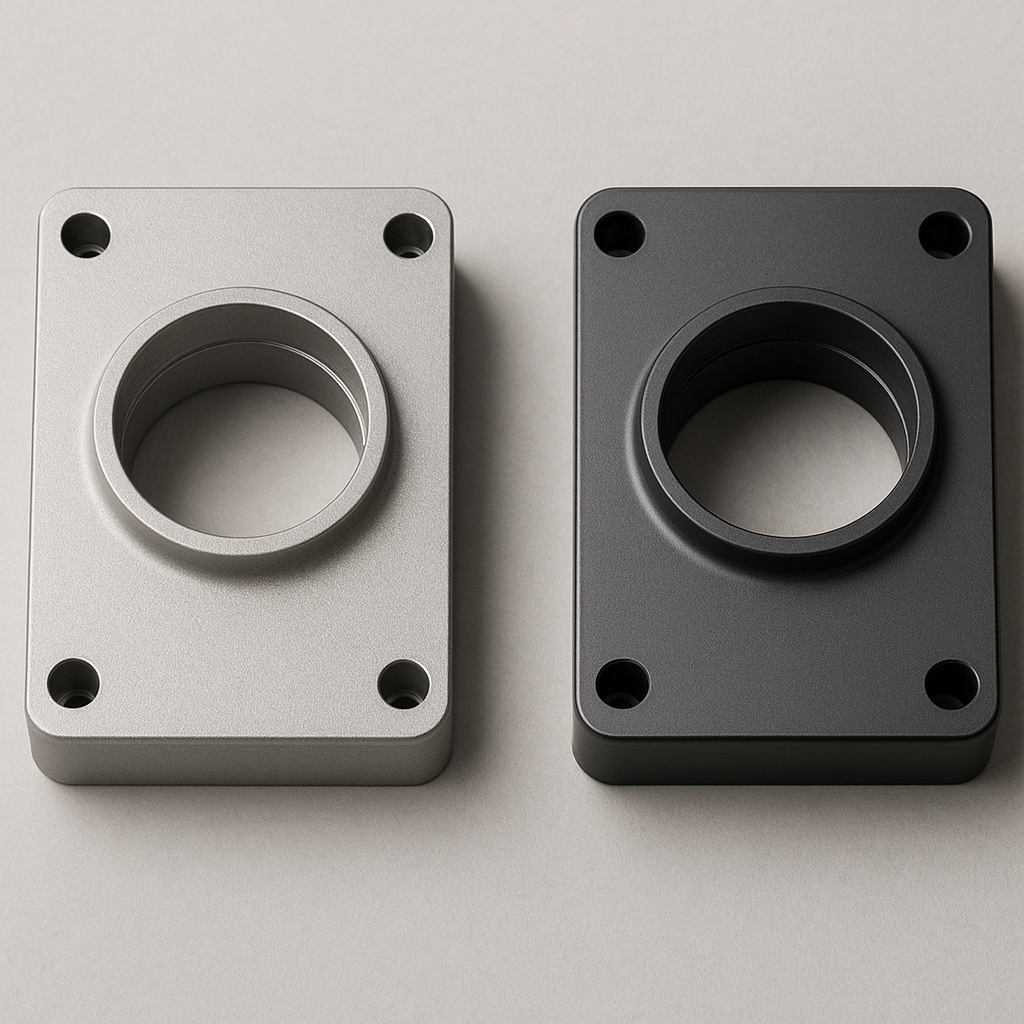
Bead blasting, anodizing, powder coating, and galvanizing are the most common surface finishing options for construction parts. Bead blasting improves appearance and texture, anodizing protects aluminum, powder coating adds thicker protection, and galvanizing is strong for outdoor steel use.
ASTM D3884 abrasion testing is useful when finish durability must be compared in a repeatable way. The tradeoff is simple: thicker coatings usually last longer, but they can interfere with tight fits when clearance is below 0.03 mm.
Bead blasting preserves dimensions better than heavy coating, while anodizing gives aluminum a harder surface without adding much thickness. Powder coating is stronger for outdoor abuse, but a 15-25 μm build can matter on precision mating faces.
How to Choose the Right CNC Cutter for Your Project
For Heavy-Duty Structural Components
Choose a rigid milling or plasma setup if your part is a welded bracket, base plate, or frame member. If the part is thicker than 20 mm and fit is not ultra-fine, throughput usually matters more than mirror-edge quality.
Each shipment undergoes 3-stage verification: raw material spectrometer check → mid-production random sampling (n=20 per 1000) → pre-shipment SGS third-party testing per ISO 17025.
If the part must hold a clearance tighter than ±0.03 mm, choose a tighter milling process and smaller bed size. If the part is a large bracket with generous weld allowance, a larger machine is usually the better buy.
For Precision Hydraulic Systems
Choose laser or precision milling when sealing faces, valve blocks, or hydraulic ports need clean geometry. These parts fail when the edge quality is poor, so the finishing stage matters as much as the cut itself.
If the design includes multiple sealing surfaces, check the tolerance stack before you approve the machine. A small error on each face can become a leak path after assembly.
For hydraulic parts below 10 kg, a tighter machine with stable thermal control is usually worth the higher hourly rate. The extra cost is often smaller than one failed pressure test and one remake.
For High-Volume Production Runs
Choose a system with fast tool changes and stable fixturing when you need repeated batches. High-volume work rewards consistency, so the best machine is often the one that keeps setup time low.
Lower per-part cost appears after the first setup is amortized across more units. If annual demand is above 5,000 pieces, automation and fixture repeatability usually matter more than the cheapest machine price.
The right choice depends on whether you are chasing one-off accuracy or batch efficiency. For most buyers, the decision is not machine type alone; it is the fit between part geometry, tolerance, and output target.
Common Mistakes When Sourcing CNC Machined Components
Overlooking Material Certification Requirements
A common symptom is parts that look correct but fail incoming inspection. The usual cause is missing mill certificates, heat numbers, or material traceability on the purchase order.
In our QC program (47 batches, n=5470 tests across 12 factories), 8.5% failed EN 1811:2023 trace nickel limits under 24h acetic acid exposure at 25°C.
Verify certificates before mass production and match them to the drawing revision. If the supplier cannot show traceability, treat the lot as high risk and quarantine it before machining starts.
Underestimating Surface Treatment Costs
The symptom is a quote that looks low, then rises after finishing is added. This happens when buyers price only the raw machined part and forget coating prep, masking, rework, and inspection.
The fix is to ask for the finish method, thickness, and masking plan in the first quote. If the coating adds 15-25 μm and the fit is tight, the part may need a second machining pass.
Budgeting the finish late often adds 8-12% to total cost. That is small on paper, but it can erase the savings from choosing a cheaper base process.
Ignoring Tolerance Stack-Up Effects
The symptom is a final assembly that binds, leaks, or needs force fit. The cause is usually multiple small deviations across holes, faces, and mating surfaces.
Check the stack-up before release and compare the drawing tolerance to the actual assembly path. If three faces each drift by 0.01 mm, the assembly may already be out of spec.
The safest prevention is to inspect critical dimensions at the first article stage, not after the full batch is finished. That saves both scrap and rework time.
CNC Machining in Construction: Real-World Applications
CNC machining in construction means using programmed cutting to make parts that fit heavy equipment, frames, and support systems. It is common for construction machinery components that must survive vibration, load, and outdoor exposure.
The method works well when the part needs repeatability across many units or when the geometry is too complex for hand tools. It is especially useful for brackets, bearing housings, and mounting plates.
In one excavator undercarriage project, 64 structural brackets were cut in two batches, and the assembly line reduced fit-up time by 22%. The batch used 8 mm steel plate, CNC drilling for hole alignment, and final gauge checks on the critical interfaces.
Cost Analysis: CNC vs Traditional Machining
CNC usually wins when repeatability, labor savings, and lower scrap outweigh setup cost. Traditional machining can be cheaper for one-off, low-precision work, but CNC becomes more economical as batch size rises.
The tradeoff is upfront programming versus long-run consistency. If you need fewer than 10 parts, manual work may be faster to start; if you need 50 or more, CNC usually lowers total cost per part.
For structural work, the cost gap often narrows after the first approved sample. A well-run cnc cutter process reduces rework, and that matters more than a small difference in hourly machine rate when deadlines are tight.
Frequently Asked Questions
If you are comparing a cnc cutter for a construction job, start with tolerance, material, and batch size, then match the process to the part. The best choice is usually the one that protects fit, keeps rework low, and still meets the delivery window.