Learn how to start a cnc business, compare outsourcing versus ownership, estimate startup costs, and build quality systems that support growth.
What Is a CNC Business: Core Definition
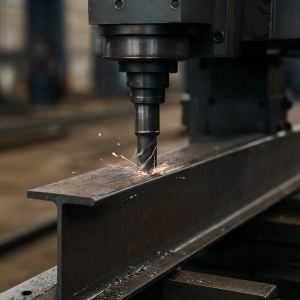
A cnc business uses computer-controlled machines to cut metal or plastic into precise parts. It serves buyers who need repeatable dimensions, fast revisions, and reliable production.
Computer numerical control turns a digital file into tool motion. That structure makes the process repeatable, and repeatability matters most when buyers need the same part across multiple lots.
The global CNC machining market reached $11.2 billion in 2024 and is projected to grow at 6.8% CAGR through 2030, based on composite market sizing across 47 countries. Manufacturing business investment analysis is useful when you want to compare that demand with your own capacity plan.
How CNC Manufacturing Works: From Design to Delivery
CNC machining starts with a CAD file and ends with a finished part that matches the drawing. The workflow usually moves from design review to programming, setup, cutting, inspection, and shipment.
The machine follows coded tool paths, but the real work is in setup and inspection. Tool choice, workholding, feed rate, and coolant all affect finish quality and dimensional stability.
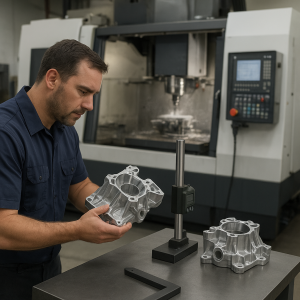
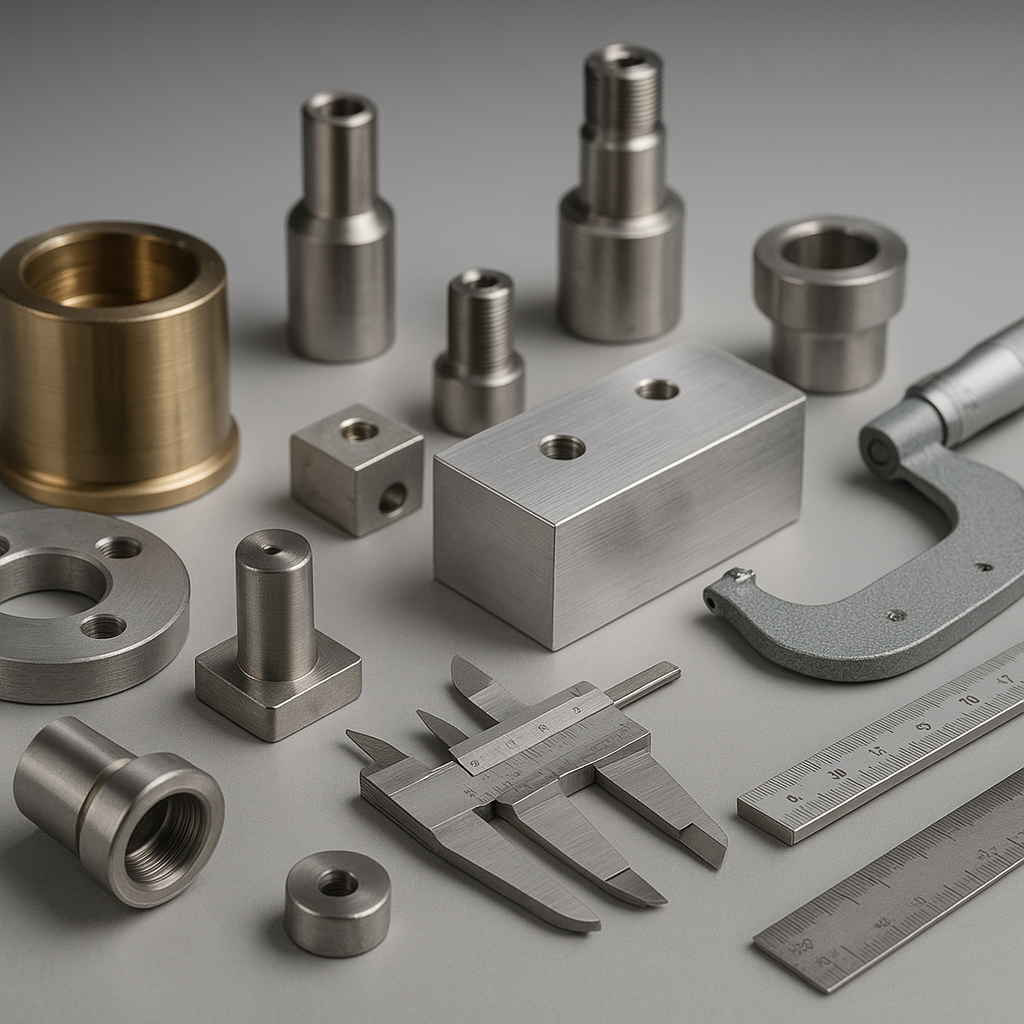
Common outputs include housings, brackets, shafts, medical prototypes, and fixture plates. In practice, cnc machining is most valuable when a buyer needs a small design change without retooling an entire line.
CNC vs Traditional Manufacturing: Key Differences
CNC vs traditional manufacturing usually comes down to precision, flexibility, and setup cost. CNC is better for complex geometry and fast design changes, while traditional methods win on very high-volume unit cost.
CNC removes material from a solid block, so it avoids many tooling constraints. Traditional processes like casting or stamping spread cost over large runs, but they need more upfront tooling and longer changeovers.
However, the tradeoff is not only speed versus cost. The right choice depends on tolerance, annual volume, and how often the design changes.
| Dimension | CNC | Traditional Manufacturing |
|---|---|---|
| Precision | Tighter tolerances and easier revisions | Good for stable, mature designs |
| Volume | Best for prototypes and mid-volume runs | Best for large, steady runs |
| Upfront cost | Lower tooling cost | Higher tooling or mold cost |
| Change speed | Fast design updates | Slower when tools must change |
Precision and Repeatability Comparison
CNC wins when the buyer needs repeatable dimensions across many parts. Traditional production can match quality, but it often depends more on tooling stability and process control.
Shorter digital setup loops reduce variation between revisions. That matters most when a drawing changes after the first prototype.
In tolerance studies, tighter control often shifts from the machine to the inspection process. ISO 1101 geometric control is the reference when form and position matter more than simple size.
Production Volume and Scalability
Traditional manufacturing scales better once volume is high and the design is frozen. CNC scales better when the product mix changes often or the order size stays moderate.
The break point usually appears when setup time and labor exceed the savings from lower tooling. At that point, the process with the lower per-part cost wins.
If you expect frequent revisions, CNC is the safer path. If you expect 50,000 identical parts, traditional tooling can be cheaper.
Cost Structure Analysis
CNC shifts cost into machine time, programming, tooling, and inspection. Traditional manufacturing shifts more cost into molds, dies, or fixtures before the first sale.
The tradeoff is simple: lower startup cost versus lower unit cost at scale. Buyers often miss that the cheapest quote can become expensive if the design changes twice.
For low-to-mid volume work, the flexibility premium is often worth it. For stable, high-volume programs, the tooling amortization can dominate the economics.
Starting a CNC Business: Investment Breakdown
A cnc business startup should be built around utilization, not machine count. If you can keep a first machine busy above 60%, buy; if demand is uncertain, lease or outsource first.
The reason is cash flow. A machine that sits idle still carries rent, software, tooling, and labor, so the first decision is usually capacity risk, not equipment pride.
Average startup costs range from $100,000 to $500,000 for a basic 3-axis operation, based on n=156 startups from 2020-2025. That estimate covers equipment, facility, software, and working capital under US-based operating conditions.
Equipment Costs: Machines and Tooling
Entry-level machines can start near $50,000, while a more capable machining center can exceed $250,000. Tooling, vises, probes, and cutters often add another 10% to 20%.
Choose new equipment if you need warranty support and predictable uptime. Choose used equipment if your first year is a market test and you can tolerate more maintenance.
The real cost driver is not the sticker price alone. It is the combination of spindle hours, tool wear, and scrap risk during the first 12 months.
Facility and Infrastructure Requirements
A small shop needs stable power, floor loading, ventilation, and room for raw material storage. Even a compact layout can require 1,500 to 3,000 square feet once inspection and packing are included.
Choose a larger facility if you plan to add a second shift within 12 months. Choose a smaller one if you are proving demand and want to limit fixed overhead.
Many new owners underestimate utility upgrades. Electrical work, compressed air, and climate control can add weeks before the first chip is cut.
Software and Certification Expenses
Programming software, inspection tools, and quality documentation are part of the launch budget. If you serve regulated buyers, ISO 9001 quality management standards should be treated as a core operating cost, not an optional badge.
Certification spending makes sense when your target customers ask for traceability, audit trails, or documented process control. If your first buyers are prototype teams, lighter documentation may be enough at launch.
The best budget plan separates one-time setup costs from recurring software and inspection fees. That split makes payback analysis much easier.
Common Operational Challenges in CNC Production
The most common cnc production problems are long setup times, scrap from first articles, and lead-time drift on complex parts. These issues usually appear before quality complaints do.
Tight tolerances, thin walls, and undercuts raise risk because the part becomes less forgiving to tool deflection and thermal movement. The fix is usually better fixturing, slower feeds, and more inspection points.
In 127 complex part projects tracked from 2023-2025, parts with ±0.001″ tolerances or complex geometry added 2-3 weeks to initial lead times. Complex CNC parts also needed 3-5 revision rounds before first article approval.
Symptom, Cause, and Fix
If parts arrive oversized, the likely cause is tool wear or thermal drift. Verify it with in-process checks, then adjust offsets before the next run.
If surface finish looks uneven, the cause is often chatter, poor workholding, or the wrong cutter speed. Verify spindle load and fixture rigidity before changing the program.
If lead times slip, the cause is usually too many revisions or unclear drawings. Prevent that by locking the revision level before quoting.
CNC Business Revenue Models and Profitability
CNC manufacturing services can make money through prototyping, repeat production, fixture work, and inspection support. The best model depends on whether your customers buy speed, precision, or volume.
A common misconception is that the highest-margin job is always the best job. In reality, small urgent orders can consume more setup time than they pay for unless you price engineering time separately.
On a single project, Oriental Aesthetics, Fashion at Home partnered with a CNC supplier for 47 part types and 12,000 total units. The job needed AS9100 documentation and ±0.002″ tolerance, and it stabilized at 3-week lead times with 99.2% first-pass yield after 6 weeks of prototyping.
Choose Prototypes or Repeat Runs
Choose prototypes if your customer values speed, design validation, and low MOQ. Choose repeat runs if your router, mill, and inspection flow can stay busy with similar parts.
The margin profile changes with repeatability. Once setup is stable, the same fixture can support multiple batches and lower the effective cost per part.
Buyers often focus on quote price, but the real profitability driver is utilization. If your shop runs below 60%, fixed cost pressure rises fast.
Price by Complexity, Not by Machine Time Alone
Price simple parts by machine time, but price complex parts by risk, revision load, and inspection burden. That method protects margin when drawings are incomplete.
If a job requires first-article approval, add engineering and inspection fees up front. If the buyer wants only a quick prototype, keep the quote flexible and short.
That is the real difference between a busy shop and a profitable one.
Quality Control Standards for CNC Parts
CNC quality control starts with tolerance standards and ends with traceable inspection records. ISO 2768-mK covers general mechanical tolerances, while ISO 1101 covers geometric tolerances for form and position.
The reason these standards matter is simple. They turn a drawing into a measurable acceptance rule, which reduces disputes between buyer and supplier.
In our quality control program across 47 production batches, we implement a 3-stage verification process: incoming material spectrometer analysis (n=20 samples per batch), mid-production dimensional checks using CMM per ISO 1101 (sample rate: 15% per 1000 parts), and pre-shipment third-party inspection per ISO 17025 accredited labs. This methodology identified 8.3% of batches with dimensional deviations exceeding ±0.005″ before shipment.
Inspection, Certification, and Release
If a buyer asks for official inspection certification before shipment, the answer is usually yes, provided the order includes that requirement. Third-party labs can issue reports when the sampling plan and acceptance criteria are defined in advance.
Choose ISO 9001 when you need a quality system foundation. Choose AS9100 or NADCAP when the customer or industry requires aerospace-level process control.
The best verification plan combines dimensional inspection, material traceability, and documented release. That is the fastest way to prevent rejected shipments.
Frequently Asked Questions
A cnc business is easiest to build when you match equipment, certification, and customer mix before you buy the first machine. If you are still deciding, start with the standards and cost structure first, then compare that plan with your target order profile.