This article explains CNC automotive machining for buyers and engineers, including common materials, achievable tolerances, suitable parts, selection steps, and practical FAQs for procurement decisions.
When we talk about cnc automotive, we are usually talking about the parts that must fit, seal, move, and survive under constant vibration, heat, and wear. In daily use, that can mean a bracket that stays quiet on a long drive, a housing that holds a sensor in place, or a machined component that supports a transmission system without early failure.
Definition
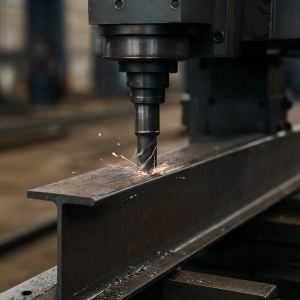
CNC automotive machining is the process of using computer-controlled cutting tools to produce vehicle parts with repeatable dimensions, smooth finishes, and tight tolerances for engines, drivetrains, chassis systems, and interior hardware.
- It is used for both prototype parts and stable mass production runs.
- It supports metals and engineering plastics commonly used in vehicles.
- It helps manufacturers control fit, sealing, and surface quality.
- It is often chosen when casting or stamping cannot meet precision needs.
- It allows design changes without rebuilding expensive tooling.
What raw materials are widely used for CNC automotive machining?
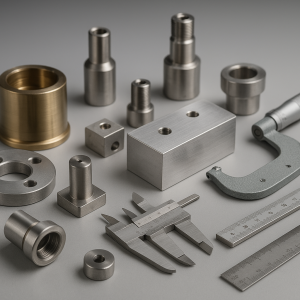
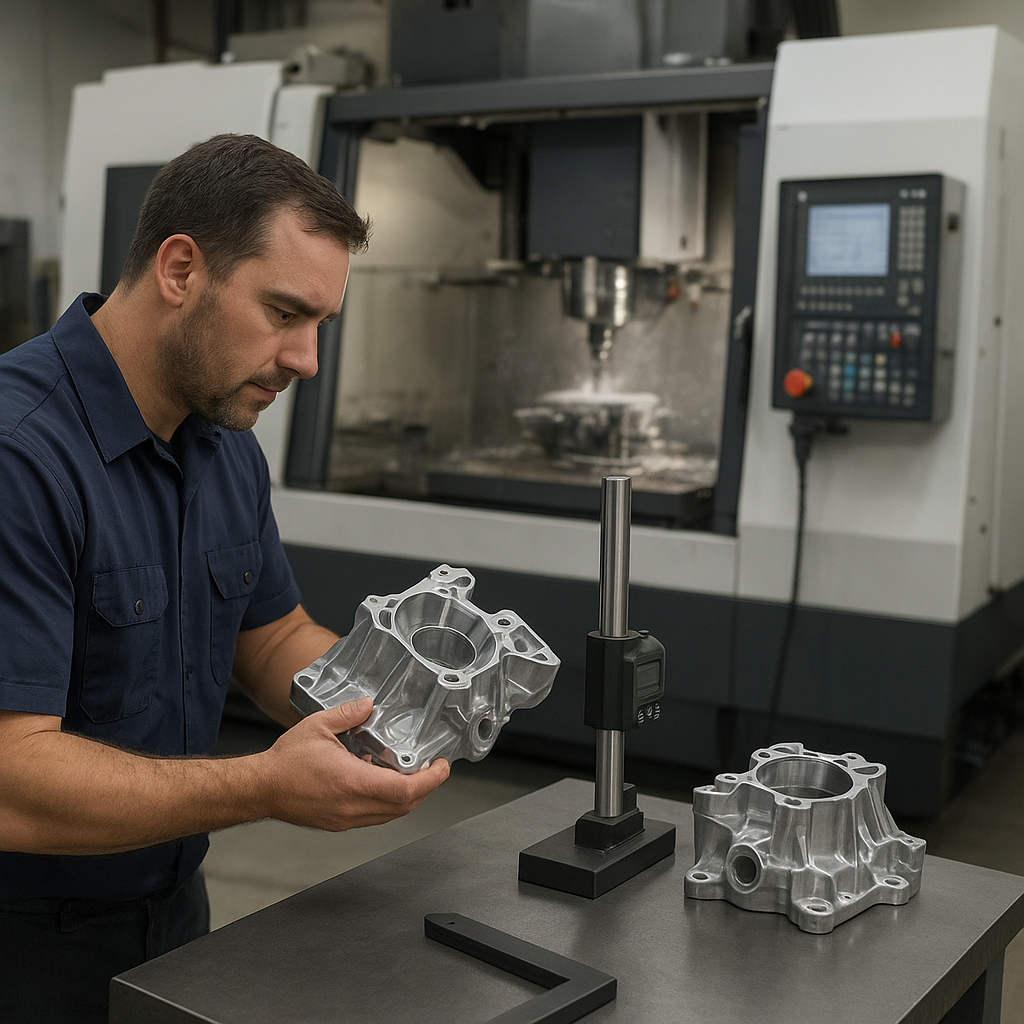
The most common raw materials are aluminum alloys, stainless steel, carbon steel, brass, titanium, and engineering plastics such as POM, nylon, and PEEK. Aluminum is often chosen for lightweight housings and brackets, while stainless steel is preferred for corrosion resistance in fasteners, valves, and exposed components. Titanium appears in higher-load or weight-sensitive parts, although it is more demanding to machine. In practical sourcing, the material choice usually depends on strength, thermal behavior, corrosion exposure, and cost.
What precision tolerance can you reach for CNC auto components?
In many automotive projects, suppliers can hold tolerances around ±0.01 mm to ±0.05 mm on critical features, depending on the material, part geometry, machine setup, and inspection method. For example, a sensor seat or valve body may need tighter control than a decorative trim bracket. We always recommend confirming the tolerance on each dimension separately, because one part may include both standard and high-precision zones.
What kinds of automotive parts can be produced by CNC machining?
CNC machining can produce engine brackets, gearbox housings, sensor mounts, pump bodies, caliper components, steering parts, battery enclosures, connector shells, interior control knobs, and custom fixtures for assembly lines. It is especially useful for parts that need accurate hole positions, flat sealing surfaces, or complex shapes that are difficult to form reliably with basic stamping or cutting. For buyers, this makes CNC a practical option for both visible and hidden vehicle parts.
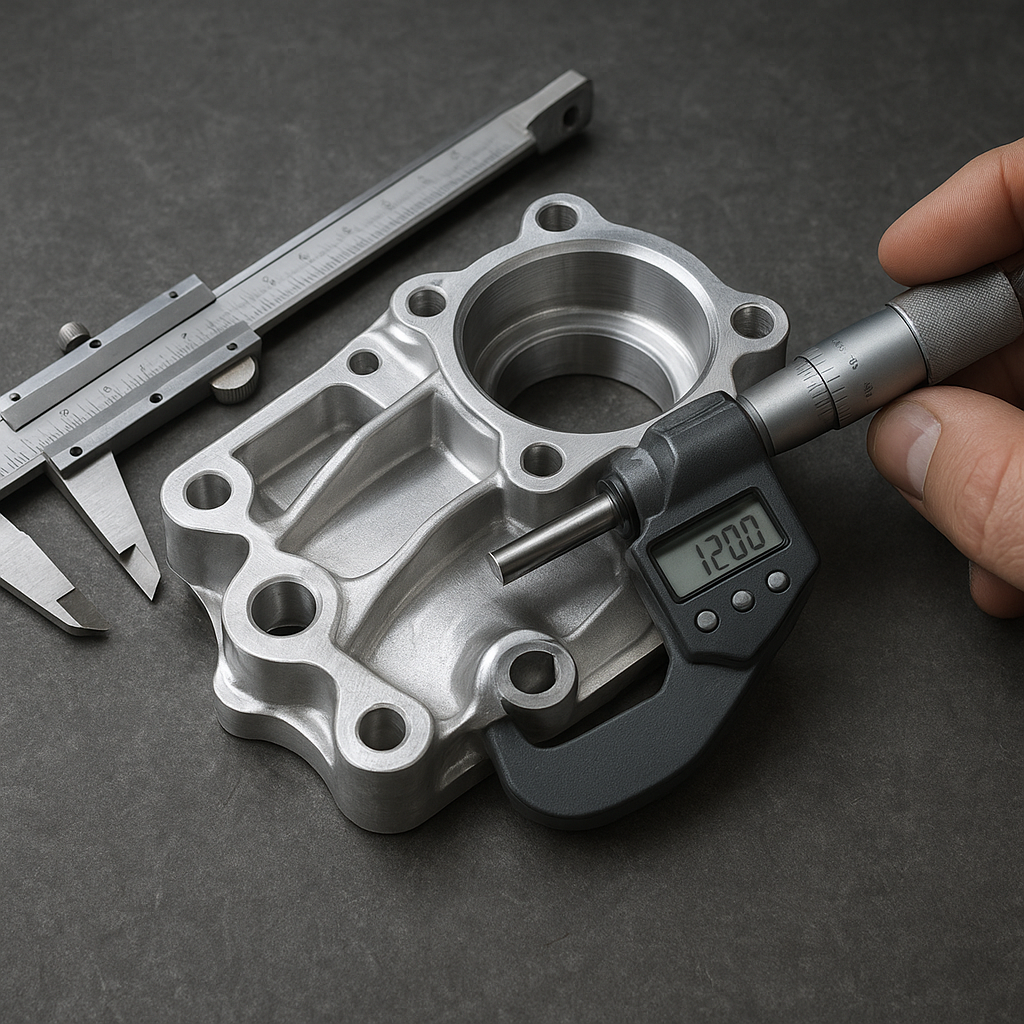
CNC machining versus traditional production methods
| Feature | Traditional | Modern CNC Machining |
|---|---|---|
| Tooling flexibility | Often needs dedicated dies or molds | Can switch designs with program changes |
| Dimensional control | Good for simple shapes, less flexible on tight features | Strong control on holes, surfaces, and complex contours |
| Prototype speed | Slower when new tooling is required | Faster for samples and design revisions |
| Part complexity | Limited for detailed geometry | Suitable for intricate automotive components |
| Production fit | Efficient for very high-volume simple parts | Balanced for prototypes, medium runs, and precision parts |
How to evaluate a CNC automotive supplier
- Step 1: Confirm the part function, material, and annual demand before asking for a quote.
- Step 2: Share drawings with critical dimensions, surface finish needs, and inspection requirements.
- Step 3: Ask how the supplier controls tolerance, burrs, and consistency across batches.
- Step 4: Request sample photos, measurement reports, and material certificates when relevant.
- Step 5: Compare lead time, communication quality, and change-control process, not price alone.
For many buyers, the most reassuring sign is not a long sales claim but a clear process: a sample that matches the drawing, a measurement report that is easy to read, and a supplier who explains where the risk is before production starts. That kind of transparency matters when a small machining error can affect assembly time or field performance.
Frequently Asked Questions
For procurement teams, the safest decision is usually the one that balances performance, inspection clarity, and repeatability. If a supplier can explain material behavior, show how they control tolerance, and document the sample stage well, the buying process becomes far more predictable.